
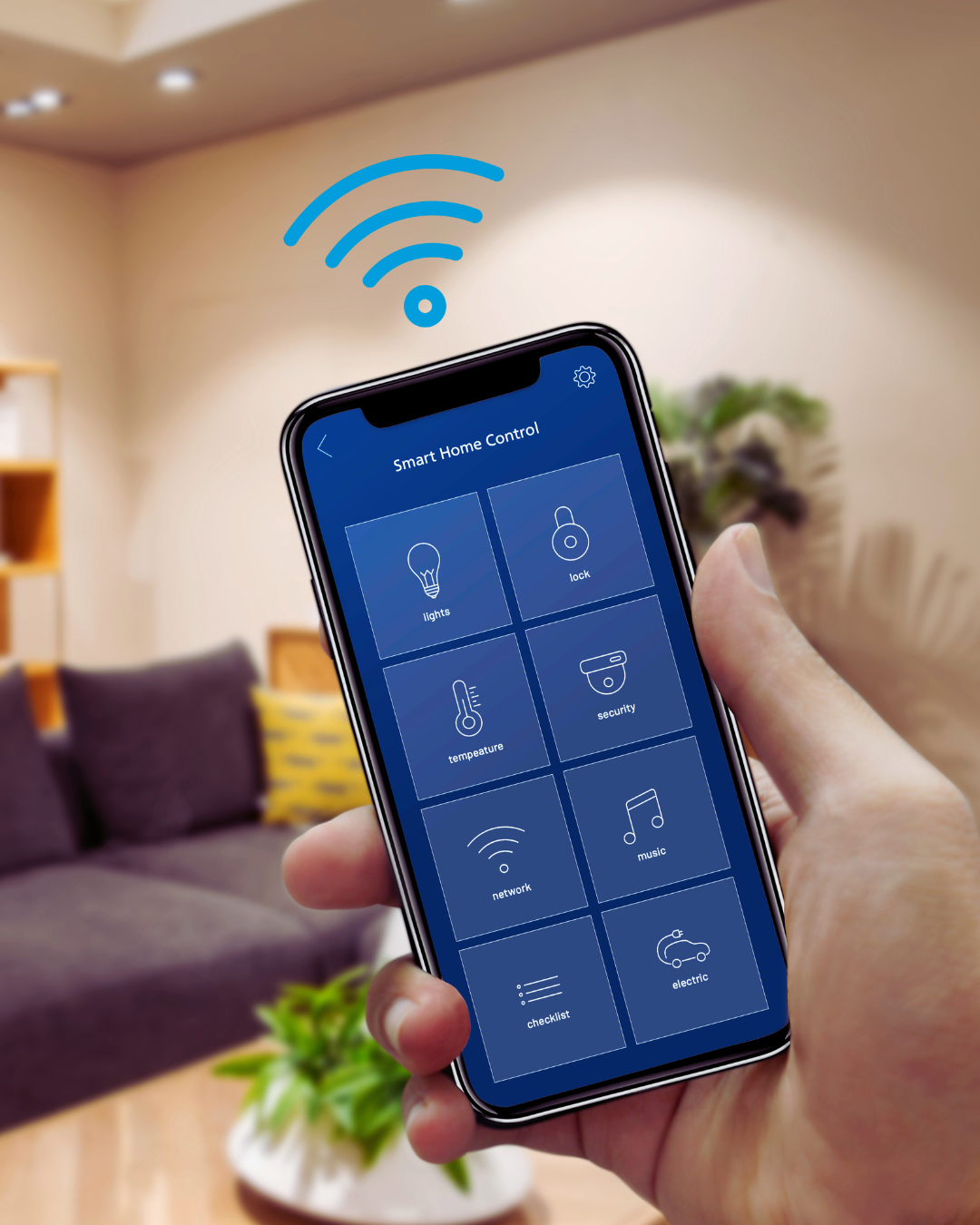
Smart home devices are transforming daily routines by making tasks simpler and more efficient. They automate lighting, heating, and security, allowing users to control their environment with ease and precision. These devices save time and reduce effort, directly improving convenience and comfort in everyday life.
Beyond convenience, smart home technology enhances safety and energy efficiency. Automated alerts and remote monitoring help protect property, while smart thermostats optimise energy use, lowering bills. This integration of technology supports a more connected and responsive home environment.
People are increasingly adopting these tools to gain better control over their households. As smart homes evolve, they offer practical benefits that extend well beyond novelty, directly impacting how individuals manage their daily activities.
Smart home devices bring convenience, improved security, and financial benefits by automating routine tasks and managing household systems efficiently. Users gain greater control over their environment while reducing energy consumption and enhancing safety.
Smart home technology automates everyday tasks such as lighting, heating, and appliance control through voice commands or smartphone apps. This allows users to schedule actions, like turning off lights when leaving the house or adjusting the thermostat before arriving home.
Automation features can integrate multiple devices, enabling scenes that trigger several actions simultaneously—for example, dimming lights and closing blinds at sunset. This reduces manual effort and improves comfort throughout the day.
Devices often support remote access, so users can control their home environment from afar. This flexibility is valuable for managing homes with busy schedules or for those who travel frequently.
Home security improves significantly with smart devices such as cameras, motion sensors, and smart locks. These devices offer real-time alerts and remote monitoring to detect unusual activity quickly.
Users can view live video feeds or receive notifications if doors or windows open unexpectedly. This immediate feedback supports faster response to potential threats.
Smart home security systems can also integrate with alarms and emergency services. The combination of detection and automated response enhances overall protection, giving users confidence in their home’s safety.
Smart thermostats, lighting, and appliances optimise energy use to reduce bills and environmental impact. By adjusting settings based on occupancy or time of day, these devices prevent unnecessary energy consumption.
For example, smart thermostats learn user preferences and adjust heating or cooling automatically. This targeted control helps maintain comfort without waste.
Energy monitoring features provide detailed reports to help users identify high-usage devices. This data supports informed decisions about energy consumption, contributing to long-term cost savings.
Smart home technology improves convenience, energy efficiency, security, and control through integrated devices. These technologies offer customised settings and automation tailored to individual lifestyles, making homes more responsive to daily needs.
Smart thermostats such as Google Nest adapt heating and cooling based on the household’s routine and weather conditions. They use sensors to detect occupancy and adjust temperatures accordingly, which reduces energy consumption while maintaining comfort.
Users can control smart thermostats remotely via smartphone apps, allowing them to preheat or cool rooms before arriving home. These devices also generate energy reports, helping users identify patterns and optimise usage over time.
By linking to other smart devices or utility providers, smart thermostats can participate in demand response programmes, which lower energy costs during peak periods. This technology provides both financial savings and environmental benefits.
Smart lighting systems enable users to automate indoor and outdoor lighting through schedules or triggers based on activity or daylight levels. Scenes can be customised to create moods, such as dimmed lights for relaxation or bright settings for work.
Smart lights improve home security by simulating occupancy when residents are away, deterring potential intruders. Integration with sensors and voice-activated devices adds another layer of control and responsiveness.
Brands like Philips Hue and LIFX pair with platforms such as Google Assistant, supporting voice commands and centralised management through apps. These systems often allow colour adjustments and timed behaviours, enhancing atmosphere and safety simultaneously.
Voice-activated devices, including smart speakers and displays, serve as hubs for controlling various smart technologies hands-free. Google Assistant is a common example, facilitating tasks like adjusting thermostats, turning on lights, or checking security cameras by simple voice commands.
These devices centralise control, reducing the need to switch between multiple apps. They offer routines where several devices perform actions together — for example, setting “Good night” to lower lights and lock doors at once.
In addition to convenience, voice control improves accessibility for users with mobility challenges. It also allows for quick information retrieval, scheduling, and alerts within the smart home environment.
Smart locks replace traditional keys with keypads, smartphones, or biometric authentication methods. They provide remote locking and unlocking capabilities, enabling temporary access for guests or service personnel without physical keys.
Many smart locks integrate with security systems and voice-activated devices, allowing users to check lock status and control access remotely. Notifications alert homeowners about lock activity, increasing awareness of entry events.
Advanced models include tamper detection and automatic locking features, enhancing home security without sacrificing convenience. These solutions combine access flexibility with real-time monitoring for greater control over property entry.
Smart home devices require careful handling of personal data and technical safeguards to protect users. Effective authentication, regular software updates, and compatibility between devices are critical for maintaining a safe and convenient environment.
Users should prioritise devices that adhere to strict privacy policies, minimising data sharing and offering clear opt-in choices. Devices like video doorbells and sensors often gather sensitive data, so encryption of stored and transmitted information is essential.
Manufacturers such as Ring provide privacy controls allowing users to limit how their footage is stored and shared. Regularly reviewing app permissions and opting out of unnecessary data collection reduces risk.
Strong privacy practices also include transparent information on data use and allowing users to delete stored data at any time. This builds trust while allowing smart homes to function effectively without compromising personal information.
Two-factor authentication (2FA) is a vital security layer for smart home accounts, preventing unauthorised access. Integrating 2FA into apps controlling devices like smart locks and cameras reduces hacking risks significantly.
Smart devices must receive timely firmware updates to patch vulnerabilities and enhance performance. Many devices, including those from established brands like Ring, support automatic updates to improve user safety without requiring manual intervention.
Users should regularly check device settings to confirm updates are enabled and monitor app notifications for security alerts. Combining strong authentication and consistent updates helps protect homes from emerging threats.
Seamless integration across multiple devices enhances convenience and control in smart homes. Protocols such as Zigbee and Z-Wave enable different brands of sensors, lights, and locks to communicate within a unified system.
Expanding an ecosystem requires compatibility consideration. Hub-based systems often support a wider range of devices, allowing users to add smart thermostats, security cameras, and lighting controls without complex configurations.
Choosing products that work with popular platforms like Amazon Alexa, Google Assistant, or Apple HomeKit ensures voice control and automation work smoothly. This interoperability allows users to tailor their smart home to specific needs while maintaining reliable operation.